


 Back
BackA Turbulent Future: How Will Aviation Be Impacted By Increased Turbulence?
Aviation experts have reported a significant increase in turbulence to the point that even well-known pilots have admitted to being unprepared for it. One University of Reading study revealed that turbulent flights over the North Atlantic will triple by 2050. We're now asked to picture turbulence as becoming less of a rare event in the course of every flight, and a much more regular occurrence.
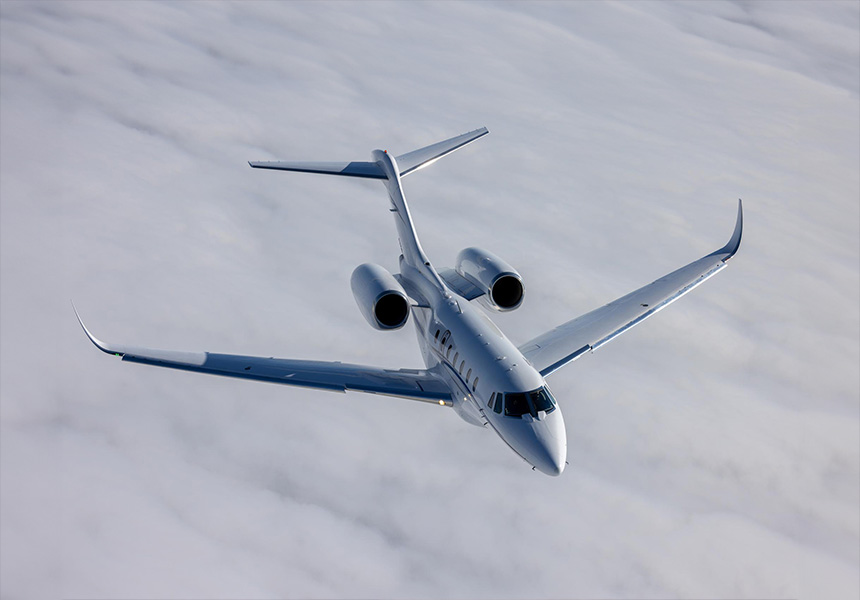
Private Aviation and Turbulence
When I was First Officer for South African Airways on a flight from Johannesburg to Cape Town during the southern hemisphere winter, we crossed close to the edge of a jetstream and ran into a particularly severe episode of clear air turbulence. Almost instantly, we could feel the effect. Private jets, however, do come with a few perks that allow them to avoid turbulence. Operating at greater heights, above commercial traffic, gives pilots much more flexibility to find smoother air, and much less stringent route arrangements mean they can instantly alter their courses in response to changing conditions. Since private jets are much lighter than commercial aircraft, they are more susceptible to jolts, and as such, turbulence management in private aviation is just as much about anticipation as it is about avoiding.
Technology Leads the Way
Some airlines are turning to advanced prediction technologies. All Nippon Airways (ANA) recently became the first to roll out a fleet-wide AI-based turbulence prediction system, developed in partnership with Tokyo-based startup BlueWX and Keio University. By analysing more than a decade of turbulence data, thousands of pilot reports, and real-time weather conditions, the system achieves an accuracy rate of 86 per cent, significantly outperforming conventional methods. Such tools allow pilots to make better-informed routing decisions, improving both passenger safety and comfort.
Safer Skies
Although we've made great strides in technology, turbulence will forever be a part of flying. It's when passengers least expect it that the majority of injuries take place above the clouds. Whenever you're in your seat, make sure to keep that seatbelt securely fastened, even on days when the flight feels smooth, because turbulence can show up out of the blue at any moment. It's crucial to pay close attention to what the pilots and crew members are saying, especially on private jets, because they may give instructions face-to-face instead of making a general announcement.
The Bigger Picture
The problem of turbulence is not just an operational challenge but is also a financial one. It has become a very real experiential challenge in our hands. Travel managers, tour operators, sports agents, corporate travel planners, and the like must be able to predict and work with the turbulence that they will face and can therefore need to partner with aviation companies that prioritise safety, transparency, and exceptional customer service.
When we look at turbulence through the lens of both logistics and the passenger experience, our goal is to guarantee that every trip is planned with careful consideration and flexibility.
By Garreth Horrocks - Safety & Compliance Manager